Advanced Soft Tissue Surgery for Pets in Calumet, IL
When your pet needs surgery, you want to feel confident they’re in capable, caring hands. Advanced soft tissue surgery can treat a wide range of conditions affecting internal organs and other soft tissues, helping pets recover from illness or injury and enjoy a better quality of life.
At Sibley Animal Hospital, we provide advanced soft tissue surgery for pets in Calumet, IL, with an individualized approach to diagnosis, treatment and recovery. Our veterinary team will explain your pet’s condition, discuss the recommended procedure and help you understand what to expect. We proudly care for pets from nearby Lansing and Pullman, IL, as well as Hammond, IN, and surrounding communities.
What Soft Tissue Conditions Can We Treat?
Soft tissue surgery involves procedures affecting internal organs, skin, muscles and connective tissues rather than bones and joints. While spaying and neutering are common examples of soft tissue surgery, more advanced procedures may be needed to treat serious illnesses, injuries or abnormalities.
The specific procedure depends on your pet’s diagnosis and medical needs. Some conditions that may require advanced soft tissue surgery include:
Intestinal Blockages and Abdominal Conditions
Pets sometimes swallow objects such as toys, bones or pieces of fabric that become lodged in their digestive tract. These blockages can prevent food and fluids from passing normally and may damage the intestines if left untreated.
Symptoms of an intestinal blockage may include repeated vomiting, abdominal pain, loss of appetite and difficulty passing stool. Depending on the severity and location of the obstruction, surgery may be necessary to remove the object and address any damaged tissue.
Other conditions affecting abdominal organs, including the stomach, liver or spleen, may also require surgical evaluation or treatment.
Tumors, Masses and Abnormal Growths
Lumps can develop on your pet’s skin, beneath the surface or within internal organs. Some growths are harmless, while others may be cancerous or interfere with normal bodily functions.
Surgery may be recommended to remove a mass, relieve discomfort or obtain tissue for laboratory examination. Because the appearance of a lump alone cannot reliably determine if it is cancerous, your veterinarian may recommend diagnostic testing before deciding on treatment.
Bladder and Urinary Tract Conditions
Certain urinary problems may require surgical treatment, particularly when an obstruction or abnormal growth interferes with normal urination.
For example, some bladder stones cannot be managed through dietary changes or medication and may need to be surgically removed. Other urinary conditions may require additional diagnostic testing to determine the most appropriate treatment.
Deep Wounds and Tissue Injuries
Bite wounds, accidents and other traumatic injuries can damage tissue beneath the skin. Some wounds require more than routine cleaning and bandaging, particularly when there is extensive tissue damage, contamination or an increased risk of infection.
Surgical treatment may involve removing damaged tissue, repairing affected structures and closing wounds to promote proper healing.
Not every condition requires surgery. Your veterinarian will evaluate your pet’s specific needs and discuss medical treatment, surgical options or referral to a veterinary specialist when appropriate.
How Do We Determine If Surgery Is Necessary?
Before recommending surgery, our veterinarian needs to understand the underlying medical problem and evaluate your pet’s overall health.
At Sibley Animal Hospital, the evaluation begins with a review of your pet’s symptoms, medical history and a physical examination. Depending on the suspected condition, additional diagnostic testing may include:
- Bloodwork: Helps assess organ function, detect certain abnormalities and identify concerns that could affect anesthesia or recovery.
- X-rays: May reveal swallowed objects, certain abdominal abnormalities or changes in internal structures.
- Ultrasound: Provides detailed images of soft tissue organs and can help investigate masses, fluid accumulation and other abdominal conditions.
- Urinalysis: Helps evaluate urinary problems, including signs of infection or other abnormalities.
- Tissue sampling: May help determine the nature of a suspicious lump or abnormal growth.
These findings help determine if surgery is the most appropriate treatment, how urgently it may be needed and what precautions should be taken.
Our team will discuss the recommended procedure, potential risks, expected recovery and available alternatives before moving forward.
How Long Does Recovery Take After Surgery?
Recovery depends on the procedure performed, the extent of the surgery and your pet’s overall health. Some pets recover from less extensive procedures within approximately 10 to 14 days, while abdominal surgery or more complicated procedures may require several weeks of healing and additional monitoring.
Our team will provide specific instructions for your pet’s recovery, which may include:
- Giving prescribed pain medications or other treatments as directed
- Limiting running, jumping and strenuous activity
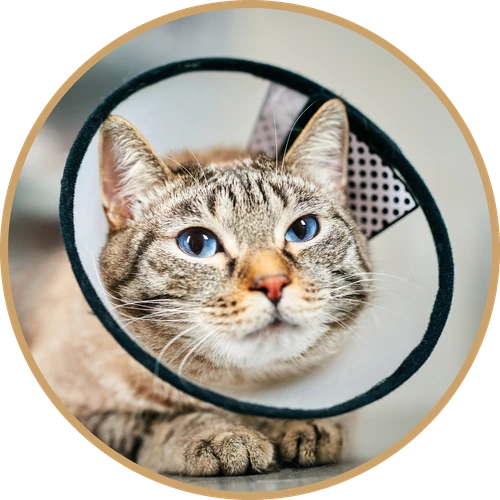
- Preventing licking or chewing at the incision
- Keeping the surgical area clean and dry
- Monitoring appetite, energy levels and bathroom habits
- Returning for follow-up examinations or suture removal when needed
What Should You Watch for After Surgery?
Mild tiredness and temporary changes in appetite can occur after anesthesia, but your pet should generally show gradual improvement as recovery progresses.
Call us immediately if you notice increasing redness or swelling around the incision, discharge, persistent vomiting, worsening discomfort or unusual lethargy.
An incision that opens, difficulty breathing, collapse or other severe symptoms require immediate veterinary attention.
Even if your pet seems to feel better after a few days, it is important to continue following activity restrictions until your veterinarian confirms that normal activities can safely resume.
Helping Your Pet Get the Surgical Care They Need
At Sibley Animal Hospital, your pet’s health, comfort and safety are our priorities. Our experienced veterinary team provides advanced soft tissue surgical care with careful attention to every stage of treatment, from surgical planning through recovery. You can feel confident knowing your pet is in capable, caring hands.
We proudly serve pets in Calumet, Lansing and Pullman, IL, as well as Hammond, IN, and surrounding communities.
Call Us Today to Schedule Your Pet’s Surgical Consultation!
Sibley Animal Hospital
We’re committed to helping you and your pets any way we can.


Mon, Tue, Thu & Fri: 8:00 AM–12:00 PM | 1:00–6:00 PM
Wednesday: 8:00 AM–2:00 PM
Doctor Appointments: Begin at 8:30 AM
Urgent Care: Sick visits after 5:00 PM